
The Question Everyone Asks
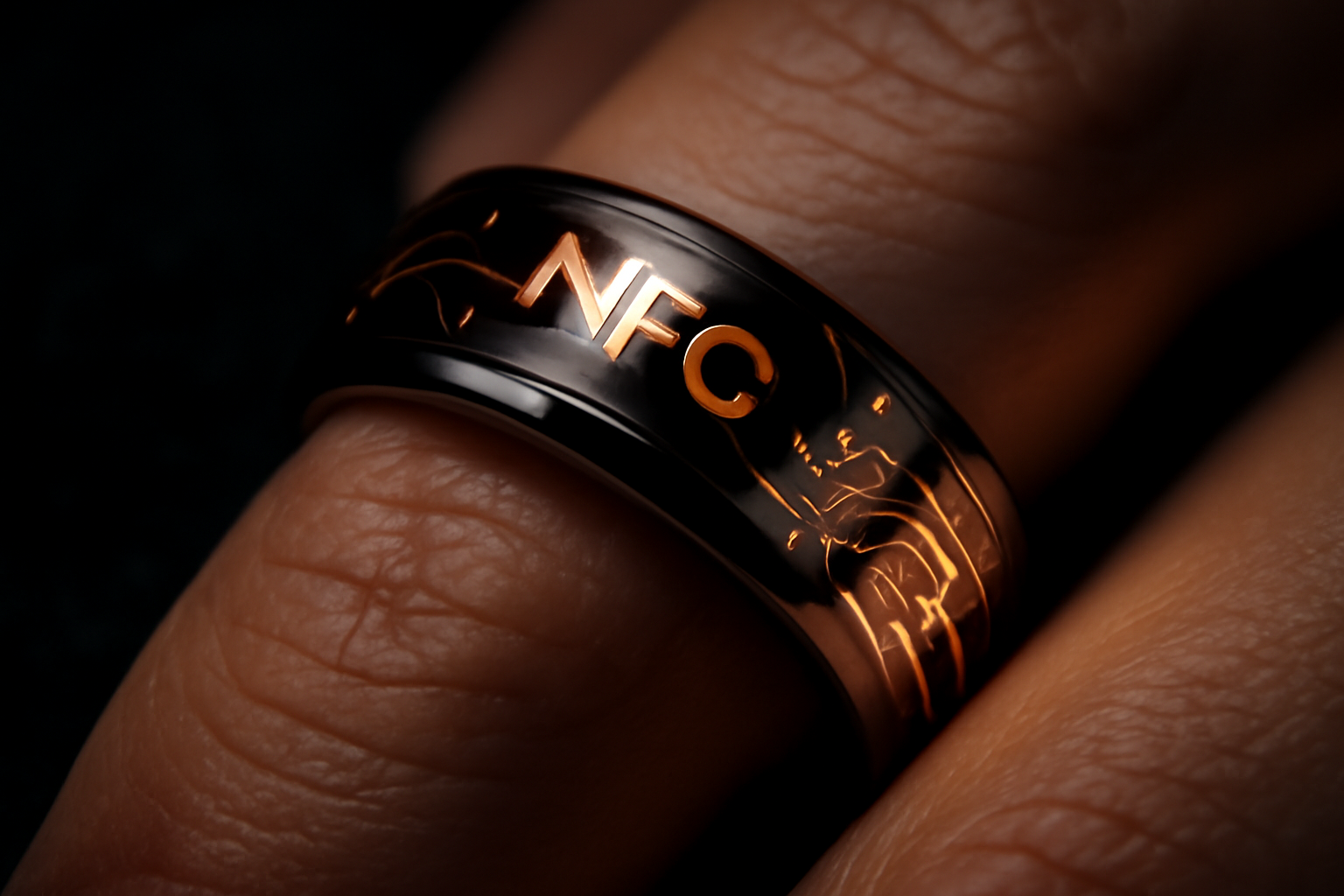
You tap your TapRing against someone's phone. Their screen lights up. Your profile opens.
And the first thing out of their mouth is usually some version of: "Wait, I don't have an app for that."
Correct. They don't need one. And the reason why is actually built into their phone at a level most people never think about.
Operating Systems Do the Work
When Apple built iOS and Google built Android, they included something called background NFC scanning.
This means the phone is always passively listening for NFC signals. Not aggressively. Not draining your battery. Just listening in the background, like a smoke detector that only reacts when it needs to.
When the phone detects an NFC chip nearby, it reads what's on it. If what's on it is a URL, the operating system opens that URL in the browser automatically. No app launch required. No permission prompt. Just a browser tab.
That's what happens when you tap a TapRing. The chip stores a link to your profile. The phone reads the chip. The browser opens the link. Done.
This Behavior Has Been Standard for Years
Apple enabled this fully starting with iOS 14, released in 2020. That means any iPhone 7 or later on a modern iOS version will read your ring without any extra steps.
Android has had background NFC reading even longer. Most Android phones from 2013 onward support it, and it's been standard on flagship devices for over a decade.
In practice, this covers almost every phone you'll encounter at a networking event, a conference, a coffee shop, or a job interview. The rare exception is an old device running outdated software. It's not something you need to worry about in most rooms.
What the Other Person Actually Experiences
They feel a light buzz or see a notification banner. Their screen shows a preview of a link. They tap it, or in some cases it opens automatically. Your profile page appears in their browser.
No account needed. No app store visit. No loading spinner waiting for something to install. Just your name, your photo, your links, your contact button.
From their side, it's as simple as clicking a link someone texted them. They don't need to understand NFC. They don't need to care. It just works.
What's Actually Stored on the Ring
The chip inside your TapRing doesn't store your full profile. It stores a short URL that points to your profile hosted on TapRing's servers.
This is smart for two reasons.
First, NFC chips have limited storage. A URL fits easily. A full vCard with a photo and five social links does not.
Second, it means your profile is always live. You update your job title on your TapRing dashboard today, and the next time someone taps your ring they see the new title. The ring itself never changes. The destination does.
Why This Beats Every Alternative
Bluetooth requires pairing. AirDrop requires both parties to have Apple devices and have AirDrop turned on. QR codes require camera focus and a steady hand. Paper cards require the other person to actually keep them.
NFC with a URL profile skips all of that. The friction is as close to zero as current technology allows.
You don't have to explain it. You don't have to walk them through anything. You tap, they see it, they save your contact. The whole exchange takes under ten seconds.
The Short Version
Their phone opens your profile because Apple and Google built NFC reading directly into the operating system years ago. It's not a trick. It's just a feature most people never notice because they haven't had a reason to use it yet.
Your TapRing gives them a reason.
Rings start at $45. No app required on either end. Updates happen in real time. The technology has been ready. Now you are too.