
You Were Still Figuring Out the Room
The first person you talk to at any event gets a version of you that isn't quite ready. You're scanning the space. You're still deciding how to introduce yourself. You're holding your drink with both hands because you haven't figured out where to put it yet.
The second person gets the version that already ran through the awkward part once.
This isn't a confidence trick. It's just how humans warm up. Athletes do it. Performers do it. Professionals do it too, even if nobody calls it that.
The First Conversation Is Practice
You meet someone near the entrance. You say your name, your title, maybe something about what you do. It comes out a little clunky. They nod. You nod. Someone else walks by and one of you pivots toward them and that's it.
That conversation probably isn't going anywhere. Not because you failed. Because you were still calibrating.
By the second conversation you've already heard yourself talk once. You've adjusted the part that felt weird. You're standing differently. You're not looking over their shoulder as much.
The second person gets a cleaner version of you.
Memory Works the Same Way
Here's the other piece. People remember things that arrive with some context.
The first person you meet hasn't settled into the event yet either. They're half-present. They'll remember you vaguely if at all.
The second person you meet has usually been at the event long enough to be paying attention. They've talked to a few people. They're more relaxed. When you show up with a clear introduction and something interesting to say, it actually lands.
That's not luck. That's timing.
What This Has to Do With Follow-Up
Here's where it gets practical.
If the second person remembers you better, that means the follow-up has a higher chance of working. They'll recognize your name when it hits their inbox. They'll remember the thing you said. They won't have to reconstruct who you were from a blurry memory.
But only if you made it easy to follow up in the first place.
A lot of people warm up nicely by the second conversation and then still hand over nothing useful. A paper card that'll get lost. A name they'll misspell when they search for you. A LinkedIn handle they can't remember.
The warm-up only matters if there's a handoff at the end of it.
The Handoff Has to Be Instant
You don't get a second chance to make the handoff easier. The moment someone walks away, the window closes. They'll get pulled into another conversation, find their colleague across the room, or just lose the thread.
The handoff has to happen before the conversation ends. Not after.
That's why having something physical that passes your information instantly makes a difference. Not because it's a novelty. Because it removes the part where they have to remember to find you later.
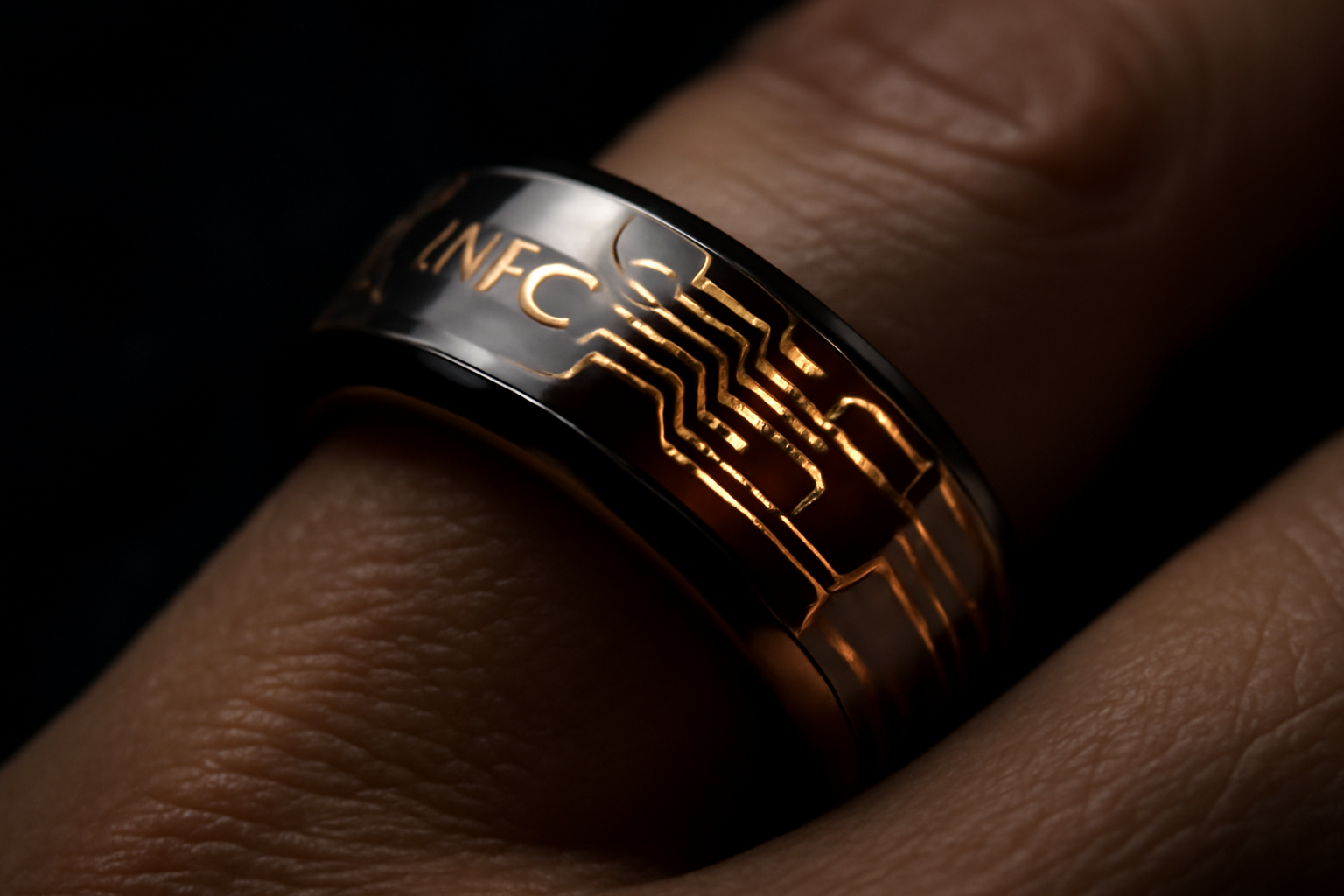
With TapRing, you tap your ring to their phone and they have everything. Name, title, links, contact info. No app. No typing. No hoping they saved it right.
By the time they walk away, you're already in their phone.
Stop Worrying About the First Conversation
Most people spend energy trying to nail the first conversation at every event. They memorize their opener. They rehearse the pitch.
That's not wrong. But the first conversation is rarely the one that turns into anything.
The better move is to stop treating the first one as the main event. Let it be the warm-up. Use it to settle in. Then go have the second conversation with all the focus it deserves.
And when that one ends, make sure they have your information before you both move on.
The second person who remembers you is useless if they can't find you later.