
The Person Who Always Knows Someone
You know this person.
You mention a problem and they say, oh, I know someone. You're looking for a job and they send three names by end of day. You need a vendor, a reference, a warm introduction, and they have it. Every time.
It does not look like they are working hard to maintain this. It just happens around them.
So what is actually going on?
It's Not a Personality Type
The first instinct is to call it extroversion. They are just outgoing. They like people. They talk to everyone.
But that is not the full picture.
There are plenty of extroverts who go to every event and end up with nothing to show for it. Lots of conversations, no compound interest. Friendly but not particularly connected in any useful way.
And there are quiet professionals who barely speak at events but somehow have a network that actually functions. They are not loud. They are just easy to reach, easy to remember, and easy to pass along.
The difference is not personality. It is friction.
What Low-Friction Networking Actually Looks Like
When you meet someone and exchanging info is easy, something happens in the brain. The interaction feels complete. There is no awkward pause where one person fumbles for a card or the other person has to type something in.
The contact lands. The conversation closes cleanly. The person walks away with something that actually works.
When that exchange is hard, the opposite happens. The moment drags. Someone forgets to follow up because there was nothing to follow up with. The connection dissolves before it even sets.
People who never run out of contacts have made the exchange part automatic. They do not have to think about it. They do not hope the other person has their phone out. They just make it happen, and then they move on.
The Compounding Part Nobody Talks About
Here is what actually separates someone with a real network from someone who just attends a lot of events.
Every clean exchange compounds.
When someone can find you easily, they send you to other people. When your contact info is accurate and attached to something real, like a profile with your current title and a link to your work, you get passed around in conversations you were never in.
That referral you got six months after an event? That was compounding. Someone remembered you well enough to send your info to someone else. Which only works if your info was easy to keep and easy to share.
Most people break the chain somewhere. The card gets lost. The number is saved wrong. The LinkedIn profile has a job from three years ago on it. The chain breaks and nothing compounds.
The Tiny Habit Behind It
The professionals who always seem to know someone have usually solved one small problem.
They made sharing their contact info something they do at the moment it matters, not something they try to do later when the moment is gone.
That is the whole thing. It sounds too simple. But most networking fails not because the conversation was bad, it fails because nothing was exchanged at the end of it.
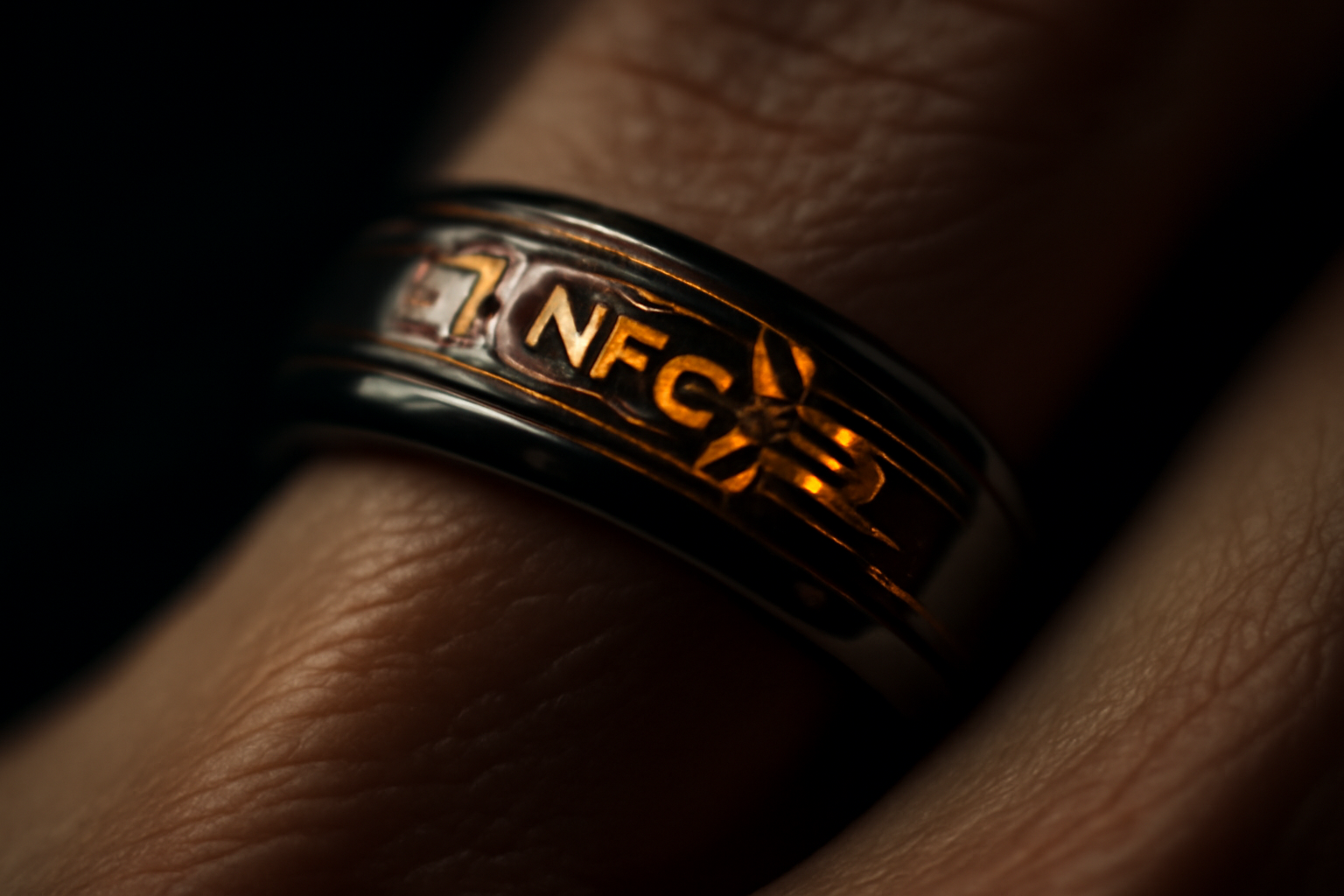
A TapRing solves exactly that. You tap someone's phone. Your full profile opens. No app, no typing, no hoping they find you later. The exchange happens in the moment and the moment does not get wasted.
Rings start at $45. The Pro plan runs $5.99 a month or $2.99 a month on the yearly plan. You update your profile whenever your info changes and every tap after that reflects the new version.
The Real Reason They Always Know Someone
They showed up and made it easy.
Every time. Not just when they remembered to bring cards. Not just when the event seemed important enough. Every time.
That is the habit. That is the network. That is why they always seem to know someone.