
The Problem Starts the Second You Walk Away
Someone meets you. They like you. They pull out their phone and save your number.
They type your first name. Maybe your last. They guess at the company name because they forgot how you said it. They skip the title because they're not sure. They add a note that says something like "tall guy, fintech maybe."
That is the version of you living in their phone now.
Not the polished version. Not the accurate one. The rushed, half-remembered, probably wrong one.
This Happens More Than You Think
People are bad at saving contacts in the moment. They're distracted. The room is loud. Someone else is already walking toward them. They want to save your info fast so they can get back to the conversation.
The result is a contact entry that looks fine on the surface and falls apart the second they try to use it.
They go to search for you two weeks later. They type your name. Nothing comes up because they spelled it wrong. They try the company. They saved the old one because you mentioned your previous role while explaining the new one. They try the number. It works, but there's no last name and no context, so they're not sure if it's really you.
You both move on. The connection dies not because there was no interest. Because the information was bad.
The Follow-Up That Never Came
Here is the part that stings. You followed up. You sent a short email. You referenced the event.
They saw it, but they didn't recognize the name right away. They meant to check on it. They forgot. A week passed. Now it's awkward to reply.
You think they lost interest. They think the moment passed. Neither of you is wrong. The contact info just failed both of you at the worst possible time.
What a Saved Contact Actually Needs
For someone to actually use your contact info later, they need a few things to be true.
The name has to be spelled right. The title has to reflect what you actually do now. The company has to be current. The number and email have to be correct. Ideally there's something that helps them remember who you are and why you talked.
Most manually saved contacts hit maybe two of those five. The rest gets filled in with assumptions.
How TapRing Fixes the Save
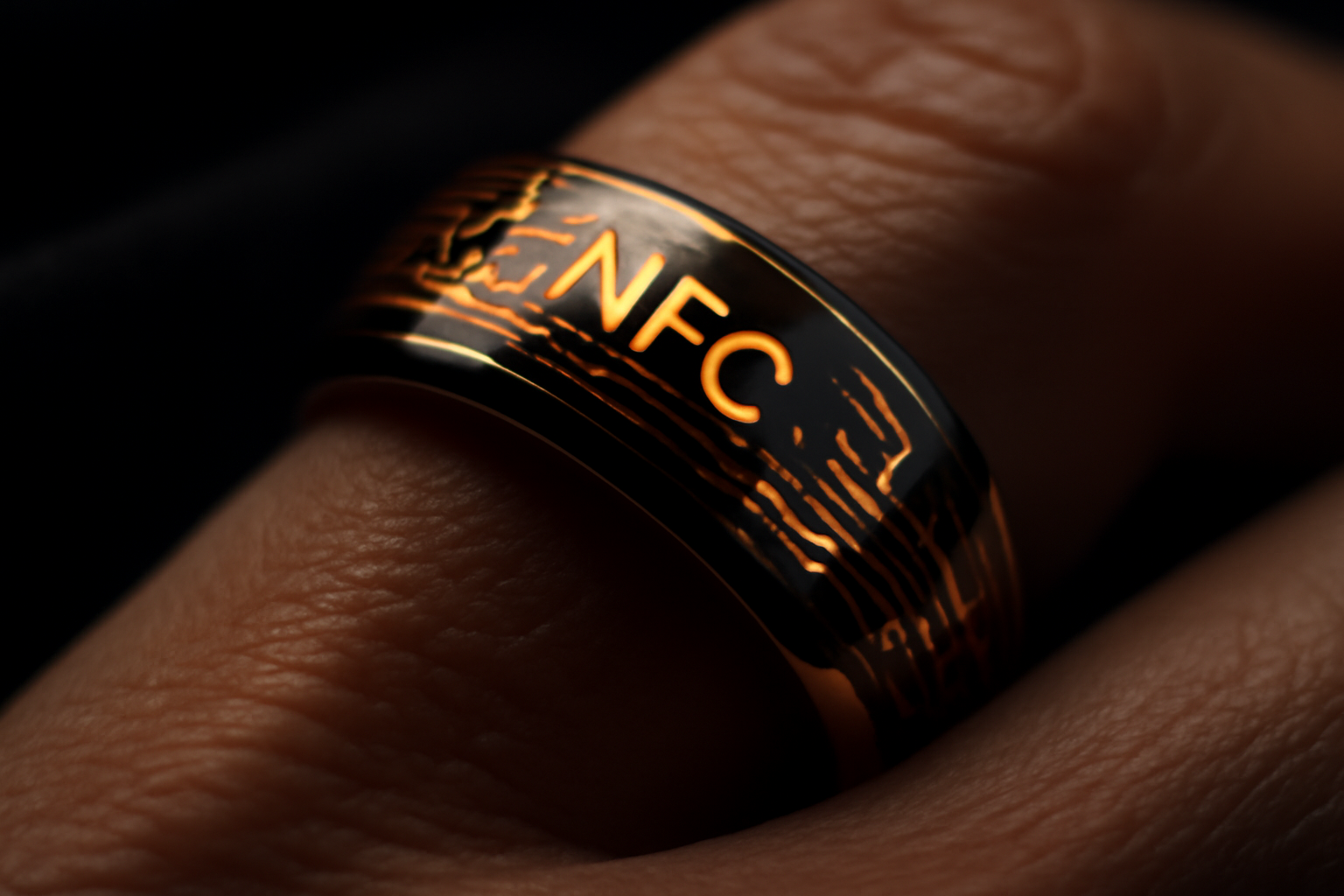
When someone taps your TapRing, they don't type anything. Your name, title, company, links, and contact info open directly in their browser. It's already formatted. Already spelled correctly. Already current because you control what the card says.
They tap a button to save it. It goes into their contacts exactly as you set it up.
No guessing. No abbreviations. No "tall guy, fintech maybe."
They save you as the professional you actually are, not the blurry version they reconstructed from memory while the room was closing in.
The Version of You in Their Phone
Most people have never thought about what their contact looks like after someone saves it manually. They assume it's fine because the exchange happened.
But the exchange is just the beginning. What happens after you walk away matters more.
If your name is misspelled, you don't show up in search results. If your title is wrong, they introduce you wrong. If your company is outdated, they associate you with a version of yourself you've moved past.
The contact is a small thing. It does a lot of work.
TapRing is $45 and the ring never runs out of battery. Your card never expires unless you change it yourself. The version of you living in someone's phone can be accurate every single time.
That's not a small thing. That's the whole follow-up.