
The Signal Arrives Before the Information Does
Before someone reads your name, your title, your phone number, they notice how you handed it over.
That part happens fast. Faster than you think.
A crumpled card says one thing. Patting your pockets says another. Asking someone to hold on while you pull up a QR code on a phone with a cracked screen says something else entirely.
None of it is fair. All of it is real.
The Medium Is the First Message
Contact info is not neutral. It has texture. It has context.
When you hand someone a business card, they are already forming an opinion before they flip it over. The weight of the paper. Whether it has a logo. Whether the edges are straight or bent from sitting in a wallet for four months.
When you ask someone to type your number into their phone, they are watching you spell out your own email. That is a moment. It has a feeling attached to it.
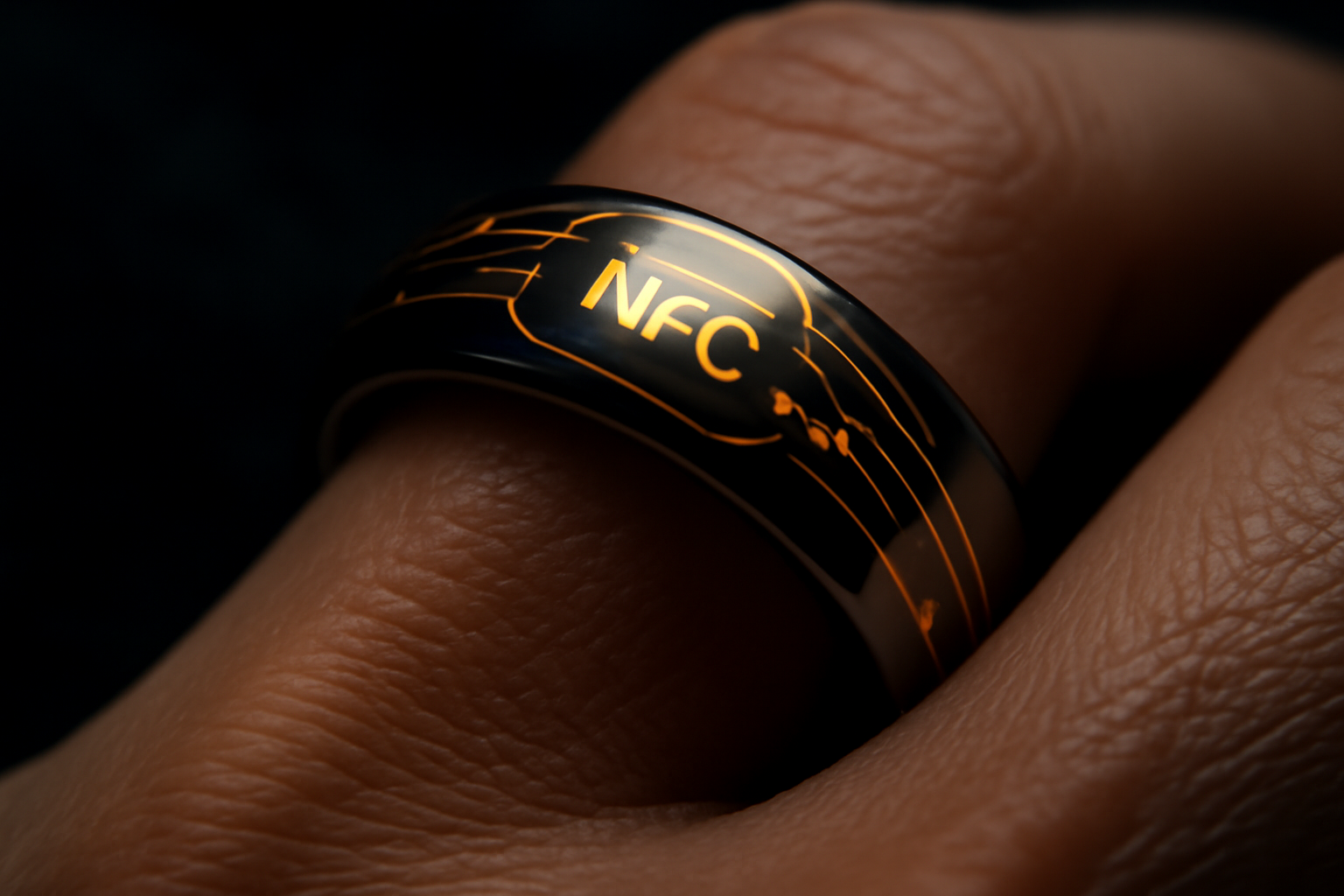
When you tap a ring against someone's phone and their screen opens to a clean, complete profile in two seconds, that also has a feeling attached to it.
You do not get to choose whether a feeling is created. You only get to choose which feeling.
What People Actually Clock in That Moment
Most people cannot explain why someone made a strong first impression. They just say it felt right. Or it felt off.
But if you slow it down, there are things people notice without naming them.
Are you prepared? Do you seem like someone who thought ahead? Does the way you handle the basics suggest that you handle the bigger things well too?
Contact sharing is a small moment. But small moments are where impressions actually form. The big presentations, the formal introductions, those come later. The handshake and the contact exchange happen first.
The Gap Between Functional and Impressive
A lot of people think about contact info in purely functional terms. Did the other person get my number? Good.
But there is a gap between functional and impressive. And most people live in that gap without knowing it.
Functional means they got your info eventually. Impressive means they got your info and the whole thing felt effortless and sharp.
The first one gets you saved in their phone. The second one gets you remembered.
TapRing lives in that second category. Not because it is flashy. Because it removes friction entirely and replaces it with something that feels deliberate. You are wearing it. You tap it once. They have everything. Nothing to fumble. Nothing to spell out. Nothing to lose in a coat pocket.
That is a different signal than handing over a bent card.
Why This Actually Matters
You might be thinking that this is overthinking a small thing.
Maybe. But think about the last time someone handed you something in a way that made you trust them more. A well-organized folder. A printed agenda. A phone pulled out at the exact right moment with exactly the right thing on the screen.
Those moments stick. Not because the object was impressive. Because the preparation was.
Contact info is the same. The way you give it out is a small preview of how you operate.
People are reading that preview whether you wrote it on purpose or not.
What You Can Control
You cannot control whether someone likes you immediately. You cannot control whether your industry is having a bad year or whether someone is distracted by something happening in their own life.
But you can control how prepared you look in the five seconds after someone says, let me grab your info.
That window is short. The impression it creates is not.
How you hand over your contact details is a choice. Most people treat it like an afterthought. The ones who treat it like a first impression tend to get further with it.