
The moment after the moment
You hand over the card. You tap phones. You spell out your email slowly while they type it in. Then you both walk away and you think: good, that's done.
It's not done. That's where most of it falls apart.
Here's what actually happens on the other side of that exchange. And why it matters more than the introduction itself.
They look at it once
If you gave a physical card, they put it in a pocket. Maybe a jacket pocket, maybe a bag. Later that day they empty the pocket and the card goes on a desk or a counter. It sits there. They mean to do something with it.
Three days later it's under something else.
If you gave a phone number, it got saved under whatever they remembered your name as. Which might not be your name. It might be "David event" or "Sarah finance woman" or just a number with no name at all.
If you gave a LinkedIn profile, they sent a request and moved on. Whether you accepted it matters less than whether they remember who you are by the time you do.
The window is 24 to 48 hours
Most people who are going to follow up do it within two days. After that, the memory of the conversation fades. The context disappears. By day four they're not sure if they met you at the Thursday event or the one before that.
By the end of the week, your card is in a stack or your number is in a list and neither one of those things is going to generate a follow-up.
The people who follow up fast are the ones who had a clean, easy handoff to begin with. They saved something complete. They didn't have to reconstruct who you were from fragments.
What clean contact info actually buys you
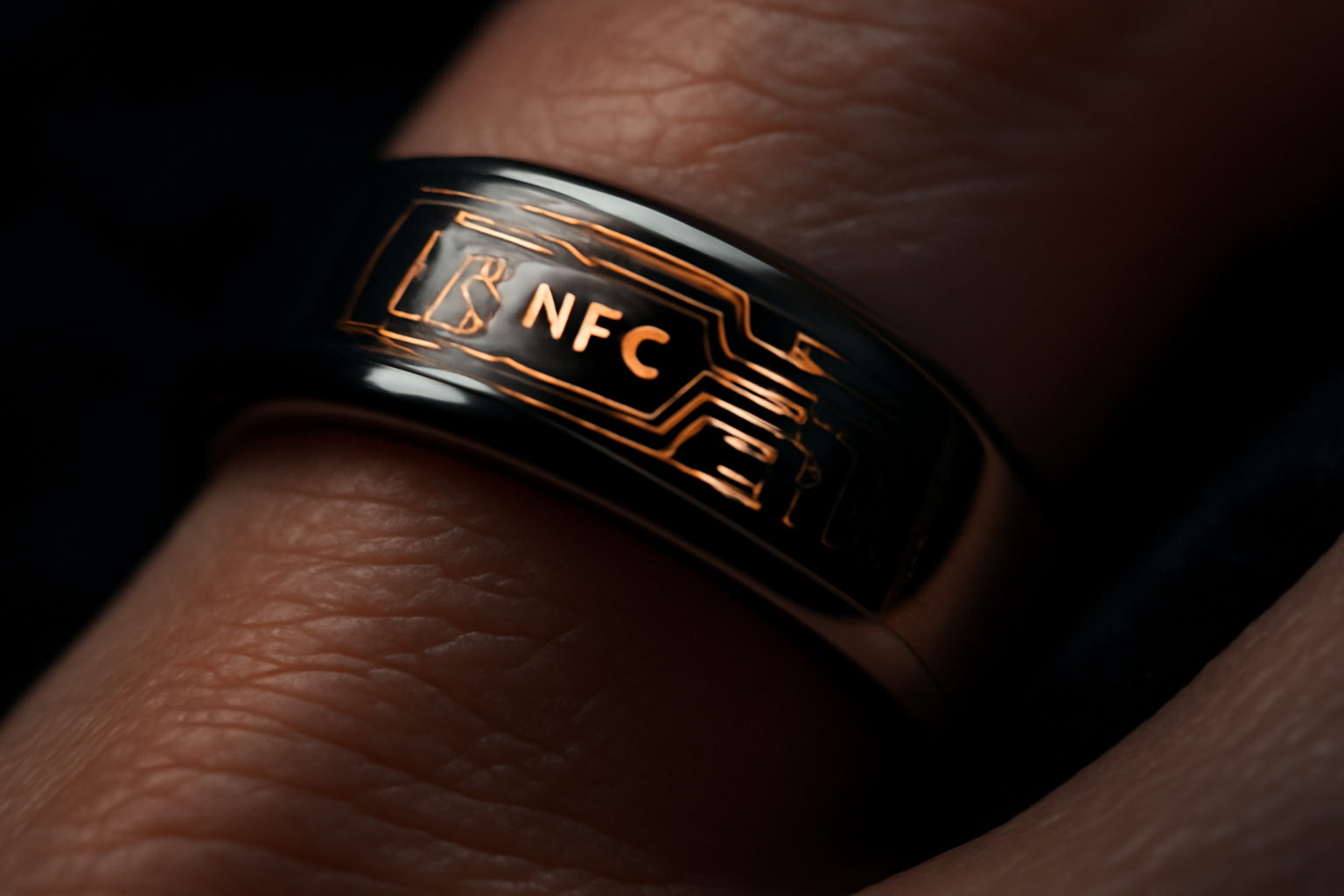
When someone taps a TapRing and your profile opens, they see everything in one place. Your name. Your title. Your links. A photo if you want one. Contact options that work with one tap.
They don't have to guess. They don't have to dig. They save it in five seconds and they move on with their evening.
That's the version that still exists by Friday. That's the version that gets forwarded. That's the version someone shows their colleague when they say "you should talk to this person."
A crumpled card with a handwritten number on the back is not getting forwarded to anyone.
The information decay problem
Contact info goes stale. Job titles change. Phone numbers change. Email addresses from old companies stop working. That card you handed out eight months ago might route directly to nowhere now.
A TapRing profile updates whenever you update it. The ring itself stays the same. The link it carries stays the same. The information behind that link is whatever you say it is today.
So when someone finally does pull out their jacket from last spring and tap the ring they grabbed at that conference, your current information shows up. Not whatever was true in March.
Most contact exchanges are wishes, not plans
Be honest about what a card exchange usually is. Two people expressing good intentions. Not a commitment. Not a plan. A hope that one of them will remember to act on it later.
The ones that turn into something real are the ones where the contact info made it easy. Where there was no friction. Where the other person saved a complete profile and actually knew what to do with it.
You can't control what someone does after they walk away. But you can make sure that if they want to find you, finding you takes about four seconds and requires zero effort.
That's what the ring is actually doing. Not just sharing contact info. Making sure the contact info survives the part of the process where most of it disappears.