
You hand someone your card. You tap their phone. You spell out your email while they type it into their notes app.
And then you walk away.
What happens next is almost entirely out of your control. Most people never think about this part. They focus on the exchange itself. The handshake. The conversation. The moment of connection.
But the moment after that moment is where things get interesting.
The Four Places Your Info Usually Ends Up
The first is their contacts app. If someone adds you properly, with your name, your number, your email, maybe your company, you're in a decent position. You exist in their phone as an actual person. You might even come up when they type a name years later.
The second is their photos. A lot of people photograph business cards. This feels efficient. It is not. Photos get buried. Search doesn't always surface them. Six months later, nobody is scrolling back to October to find a photo of a card.
The third is their notes app. This is where contact info goes to die. Someone opens Notes in the moment, types your email in a hurry, and never looks at it again. It sits there between a grocery list and a password they forgot they wrote down.
The fourth is nowhere. The card gets pocketed. The phone gets put away. Life happens. You never existed in any searchable form on their device.
The Search Problem
Here is what matters. When someone needs to reach you later, they search.
They type a name into their contacts. Or they search their email for something you sent. Or they try to remember what company you worked for and search that instead.
If you were added cleanly, with complete information, they find you.
If you were added as a photo, maybe they find you.
If you were added as a note, probably not.
If you were never added at all, definitely not.
This is the gap. The gap between giving out your info and actually being findable later is wider than most people realize.
What TapRing Changes About This
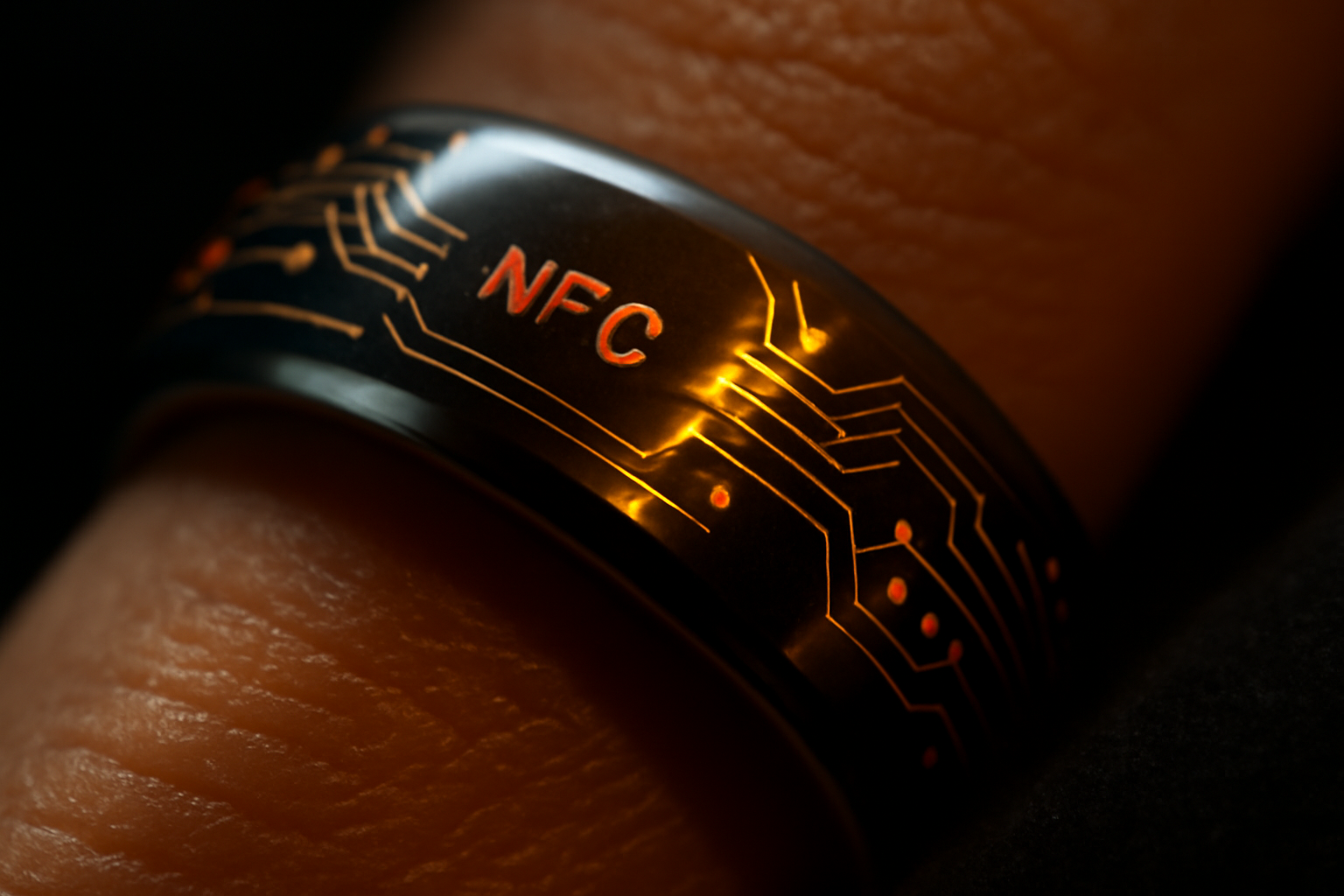
When someone taps a TapRing, your digital profile opens in their browser. No app. No download. Just a page with your name, your contact details, your links, whatever you want them to see.
From there, they can save you directly to their contacts with one tap. Clean. Complete. Spelled correctly.
This matters because the save happens in the moment, while you are still standing there, while the conversation is still warm. They are not trying to remember your last name at 11pm. They are not squinting at a photo of a card in bad lighting.
They tap. Your info opens. They save it. Done.
The Outdated Info Problem
There is another layer to this. Even if someone saves your info correctly, that info might stop being accurate.
You change jobs. You get a new number. Your email switches domains. The card they saved last year now points to a version of you that no longer exists.
With TapRing, your profile updates. The link stays the same. The person who saved you last year taps the same ring and sees your current information. You do not have to re-introduce yourself. You do not have to explain that your old card is wrong.
You just stay current.
Why This Is Worth Thinking About
Most networking advice focuses on what to say. The pitch. The follow-up email. The LinkedIn connection.
Almost none of it focuses on what happens to your information in the hours and days after you give it out.
That is the part that determines whether a conversation turns into anything real.
The person who finds you easily is the person who gets the reply. The person who is hard to find just becomes a story about someone interesting they met once.
Control what you can. Start with being findable.