
The Shelf Life Nobody Talks About
You give someone your info. They save it. Maybe they use it, maybe they don't. Either way, it sits somewhere in their phone under your name.
Then you change jobs. Or titles. Or industries.
Your contact info doesn't know that. It just keeps existing, attached to a version of you that no longer shows up anywhere else.
This is a stranger problem than most people realize.
What Gets Saved Is What Gets Found
When someone searches for you in their contacts six months later, they find what you gave them six months ago.
That might be a work email that bounces. A phone extension that rings somewhere you no longer sit. A title you've outgrown or quietly stopped using.
They don't know any of this. They just know they can't reach you, or they reach a version of you that doesn't exist anymore.
Some of them try once and move on. Some assume you changed your number on purpose. Some of them give the opportunity to whoever is easier to find.
The Layered Version of the Problem
It's not just about one job change. Think about every role you've held in the last five years.
Every conference. Every event. Every cold introduction at a networking dinner where you gave someone a card or rattled off your email.
All of those contacts have a different version of you. Some have your old company. Some have a title you held for eight months. Some have a personal email you barely check anymore.
You are a different person in every phone you've ever been saved in.
None of those people know that. They only know what you gave them when you gave it.
The Update Problem
There is no system for this. Nobody sends a mass notification when their info changes. Nobody goes back through five years of networking contacts and updates them.
You assume people will find you if they need you. LinkedIn, Google, mutual contacts. The usual channels.
But a lot of people don't search. They go to their contacts. They pull up the name. They see what's there. If it works, great. If it doesn't, they move on.
The version of you that exists in their phone is the only version they think to try.
What a Living Contact Actually Does
This is where the whole premise of a static card or a typed-out number starts to fall apart.
The moment you give someone fixed information, that information starts aging. It doesn't update. It doesn't follow you. It just sits there being increasingly inaccurate.
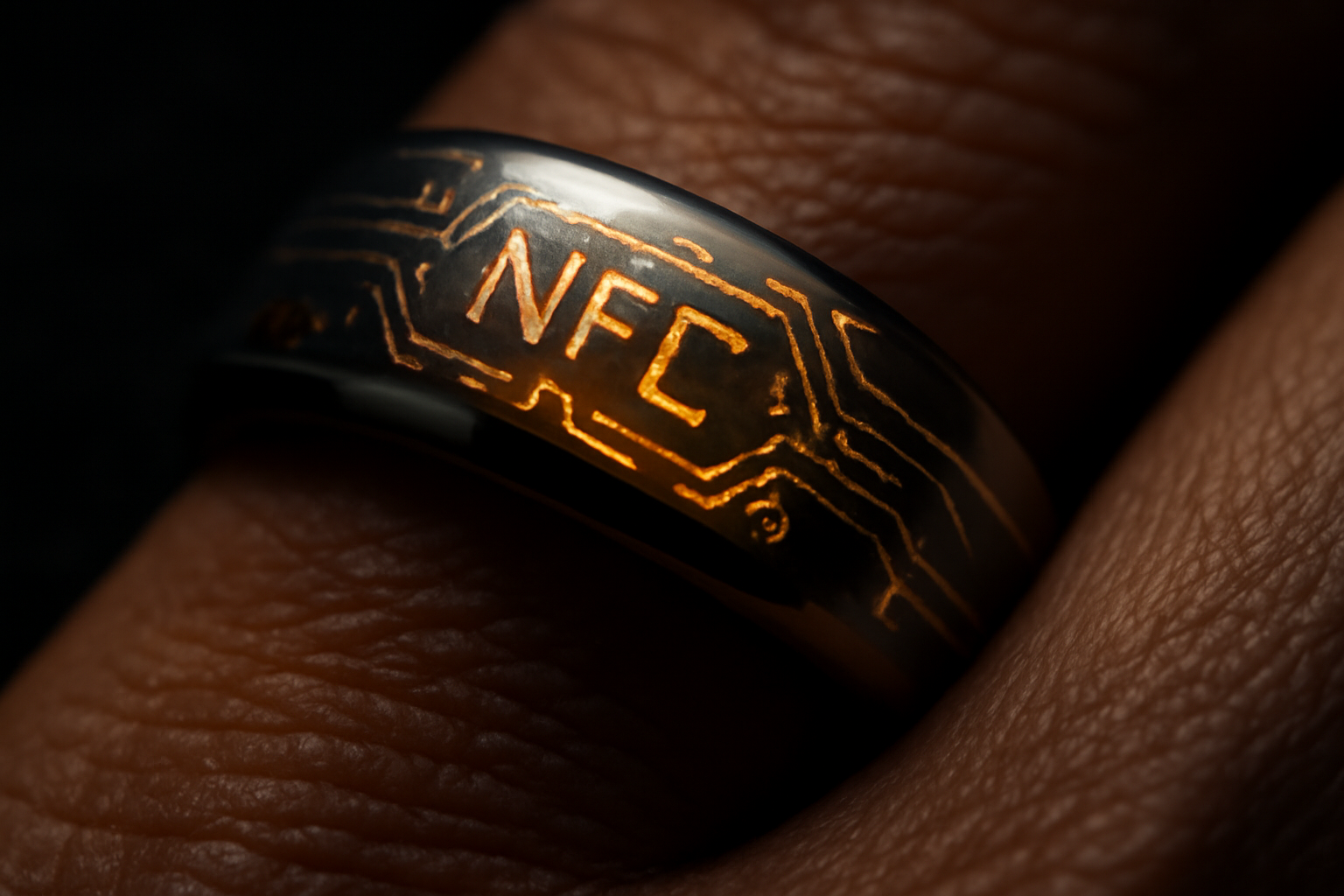
TapRing works differently. When you tap your ring to someone's phone, they get a link to your digital profile. That profile lives online. You control it. You update it whenever something changes.
Same link. Same contact. Different info, whenever you need it to be.
So the person who met you at an event two years ago and saved your TapRing contact still has working info today, even if your title, email, and company have all changed since then.
They don't know you updated anything. They just know you're reachable.
The Practical Part
Most people don't think about contact info decay until someone tries to reach them and can't. By then the opportunity is already somewhere else.
The fix isn't to hand out info more carefully. The fix is to hand out info that doesn't go stale.
Your ring costs $45. Your profile updates in under a minute. Everyone who's ever tapped you stays current without knowing it.
That's not a minor detail. That's the entire point.
Static contact info is a snapshot. A TapRing contact is a window. It shows whoever looks exactly who you are right now, not who you were when you first handed it over.