
The Coat Was Already On
You know the moment. Someone is headed for the door. Jacket on, bag over one shoulder, eyes already halfway to the parking lot. And that's when you decide to hand them your card.
They take it. They smile. They say something like "definitely" or "let's connect" and then they're gone.
You already know that card is not making it past the bottom of their bag.
Why Timing Breaks the Whole Thing
A business card exchange is a two-part transaction. There's the physical handoff, and then there's the mental registration. Someone has to actually care about the card in the moment they receive it for the second part to happen.
When someone is already mentally out the door, they're not registering anything. They're thinking about where they parked. They're wondering if they missed a text. They are not filing you away as a priority follow-up.
The card becomes clutter before they even reach their car.
The Problem Isn't You. It's the Format.
Here's the thing most people don't examine: the card format requires a calm moment. It requires the other person to be present, to have somewhere to put it, to feel like they have time to receive it properly.
Most networking doesn't happen in calm moments. It happens at the edges of events. In doorways. On the way to the bathroom. In the two minutes before someone has to take a call. In the exact kind of rushed, partial attention that makes a paper card completely useless.
You're not bad at networking. You're using a tool that requires ideal conditions in a world that rarely provides them.
What Actually Sticks in a Rushed Moment
The exchanges that survive chaos are the ones that are fast on the giver's side and require almost nothing on the receiver's side.
That's the real bar. Not "did they take your card" but "did they have to do anything to hold onto your information."
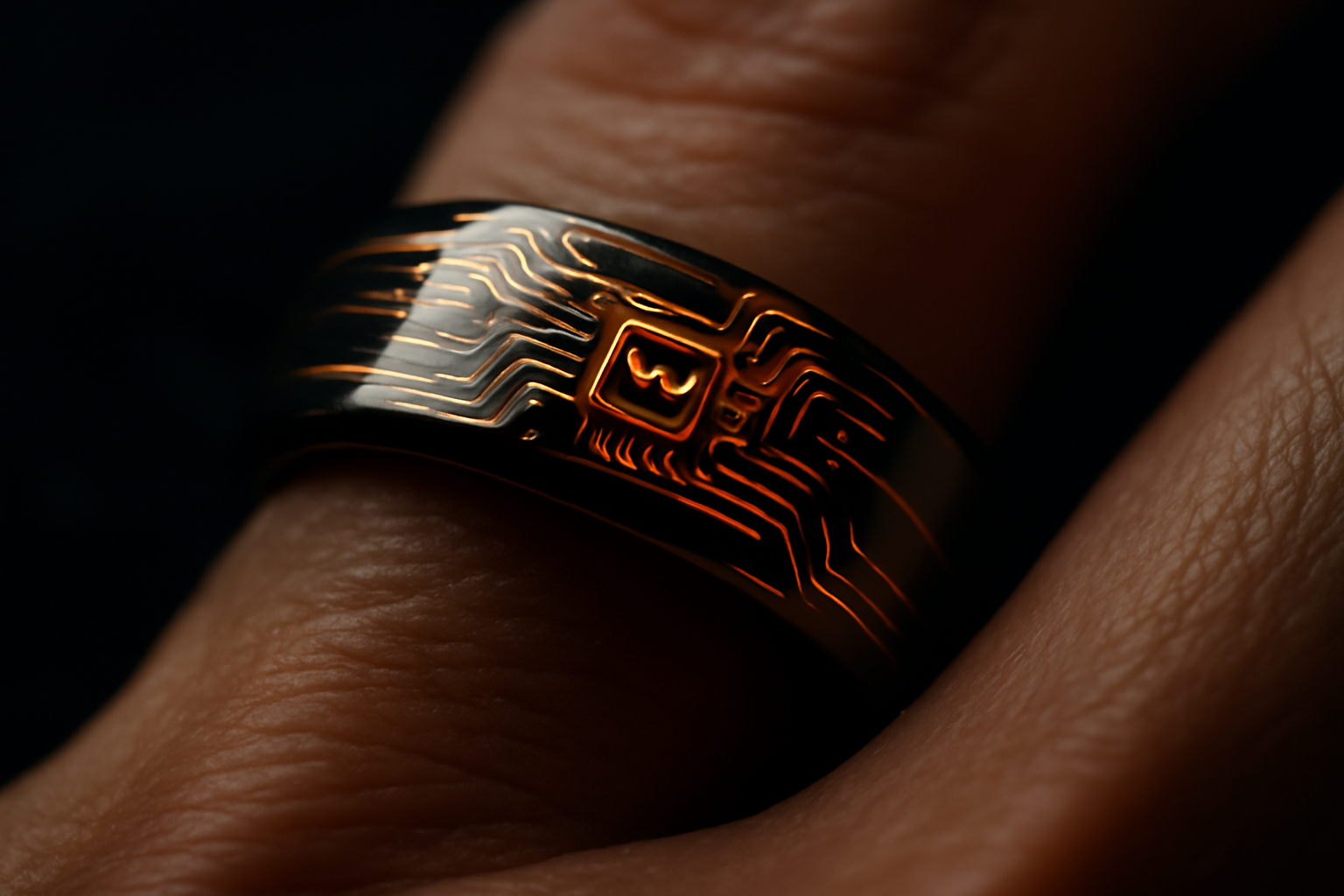
When you tap a TapRing to someone's phone, your contact profile opens in their browser. No app needed on their end. No card to lose. No re-typing. No hoping they find you later. Your info is already there, already saved, already real.
The person who's halfway out the door can still receive it. Takes three seconds. They don't have to slow down.
The Coat-On Exchange Is Not a Failure
The rushed exit handoff doesn't have to be a write-off. Some of the most useful connections happen in exactly those moments. Someone is heading out, you catch them, there's a real reason to exchange info, but there's no time to do it properly.
With a ring on your finger, properly is not a requirement. You just tap. They get your profile. You move on.
No fumbling. No "let me find a card." No spelling out your last name while they squint at their phone trying to type it.
The Version of You That Works Under Pressure
Most people's contact exchange completely falls apart under time pressure. They either don't have a card, or they have one but the other person is already gone before they find it, or they manage the handoff but the card disappears into a pocket and never comes back out.
The version of you that can hand off your information in literally any condition, at any point in any conversation, in any amount of time available, is a different kind of professional.
Not louder. Not more aggressive. Just easier to receive.
The coat-on moment is not a bad time to connect. It's just a bad time for paper.
TapRing starts at $45. When the timing is bad, it's still the right move.