
The Wrong Kind of Familiar
The barista knows your order. The front desk person recognizes your face. The event coordinator waves you in without checking the list.
That's all fine. That's pattern recognition.
But the person you had a twenty-minute conversation with last quarter? They introduced you to someone else last week as "the guy who works in tech" or "that woman who does something with marketing."
You were present. You were personable. And you still didn't stick.
That's the problem worth solving.
Memorable for the Right Things
There's a version of memorable that works for you and a version that doesn't.
Being remembered for your energy, your ideas, your follow-through, the way you make people feel heard? That's the version that opens doors.
Being remembered as a vibe with no contact info attached? That's just a warm feeling that fades by Thursday.
The gap between those two versions is usually one thing: whether the person can actually find you again.
If they can't, the memory of you floats around until something more concrete replaces it. And something always does.
What People Actually Retain
Here's what research on memory keeps confirming: people remember how you made them feel, and then they remember specifics only if something anchors them.
A name without a face is hard to place. A face without a name is frustrating. A name and a face with no way to reach you is basically a dead end.
The anchor can be something small. A distinctive detail. An unusual accessory. Something that made them pause for even a second.
Then when they go to look you up, that anchor has to connect to something real. A profile. A way in. A link that goes somewhere useful.
Without that connection, the anchor just sits there doing nothing.
The Ring Does Two Things at Once
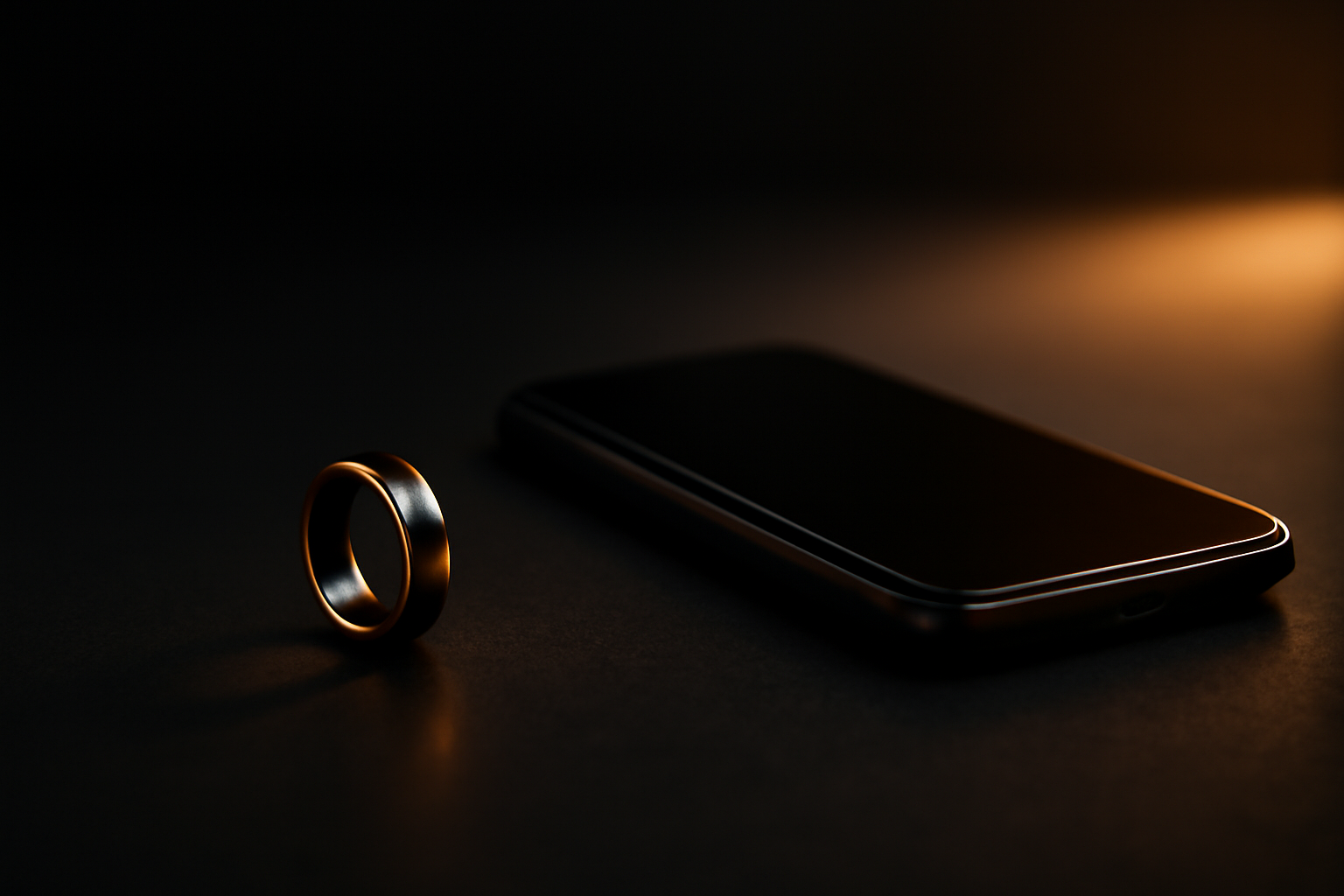
When someone notices your TapRing, it does something that a business card never could.
First, it creates a moment. They ask about it. You explain it. You tap their phone and their browser opens your profile. No app required. It just works.
Second, it creates an anchor that is attached to actual information. They don't have to remember your name and then hope they can find you later. They already have your contact saved. Your profile is right there.
The ring becomes the distinctive detail. And the detail connects directly to you.
That's not an accident. That's the whole point.
The People Who Keep Getting Overlooked
Some professionals are genuinely interesting to talk to and somehow never get called. Their ideas land in the room but don't travel outside of it. Their name comes up but nobody can figure out how to reach them.
This isn't a personality problem. It's a logistics problem.
If the only way to find you is to remember your full name, spell it correctly, search the right platform, and hope your profile is up to date, most people won't bother. Not because they don't want to. Because it's friction. And friction wins.
Remove the friction and the people who were already interested will actually follow through.
What You're Actually Competing Against
Every person someone meets at an event is competing for the same limited mental real estate. The ones who hold their spot are the ones who made it easy to return to.
Easy doesn't mean aggressive. It doesn't mean following up three times in one week or sending a LinkedIn request with a long message attached.
It means that when they think of you and want to reach out, they can. Quickly. Without effort.
TapRing handles that part. Rings start at $45. The Pro plan is $5.99 a month or $2.99 a month on a yearly plan.
Be memorable for the right things. Then make it easy to find you once you are.