
She had a banner. A tablecloth. A little sign with her logo on it.
She had printed forty business cards the night before and stacked them in a neat fan shape the way she'd seen other vendors do it.
Nobody stopped.
Not for the first hour. A few people glanced. One guy picked up a card, read it, set it back down. She watched him walk to the smoothie booth and start talking like they were old friends.
The Part Nobody Tells You About Vendor Fairs
Setting up a table does not mean people come to you. You still have to give them a reason. And standing behind a table with your arms crossed because you're nervous looks exactly like standing behind a table with your arms crossed because you don't care.
She knew this. She'd been to enough of these things as an attendee to recognize the booths she walked past. She just didn't think she'd be one of them.
Around the ninety-minute mark, a woman stopped. Not because of the banner. Because she almost tripped on the tablecloth that had come loose at the corner.
They laughed. The woman apologized. She waved it off.
And then they just started talking.
The Conversation That Actually Happened
The woman was a project manager for a mid-sized firm. She wasn't there as a potential client. She was walking the floor because her colleague had a booth three rows over and she was killing time.
But she was curious. She asked what the business did. She asked how long it had been running. She asked the kind of questions that feel genuine because they are.
At some point, she said, "Do you have a card or something?"
And this is where it used to fall apart.
The card pile was still mostly full. She could have grabbed one. But she'd been watching people set them down all morning. Pick up, read, put back. The card didn't go anywhere. It didn't do anything.
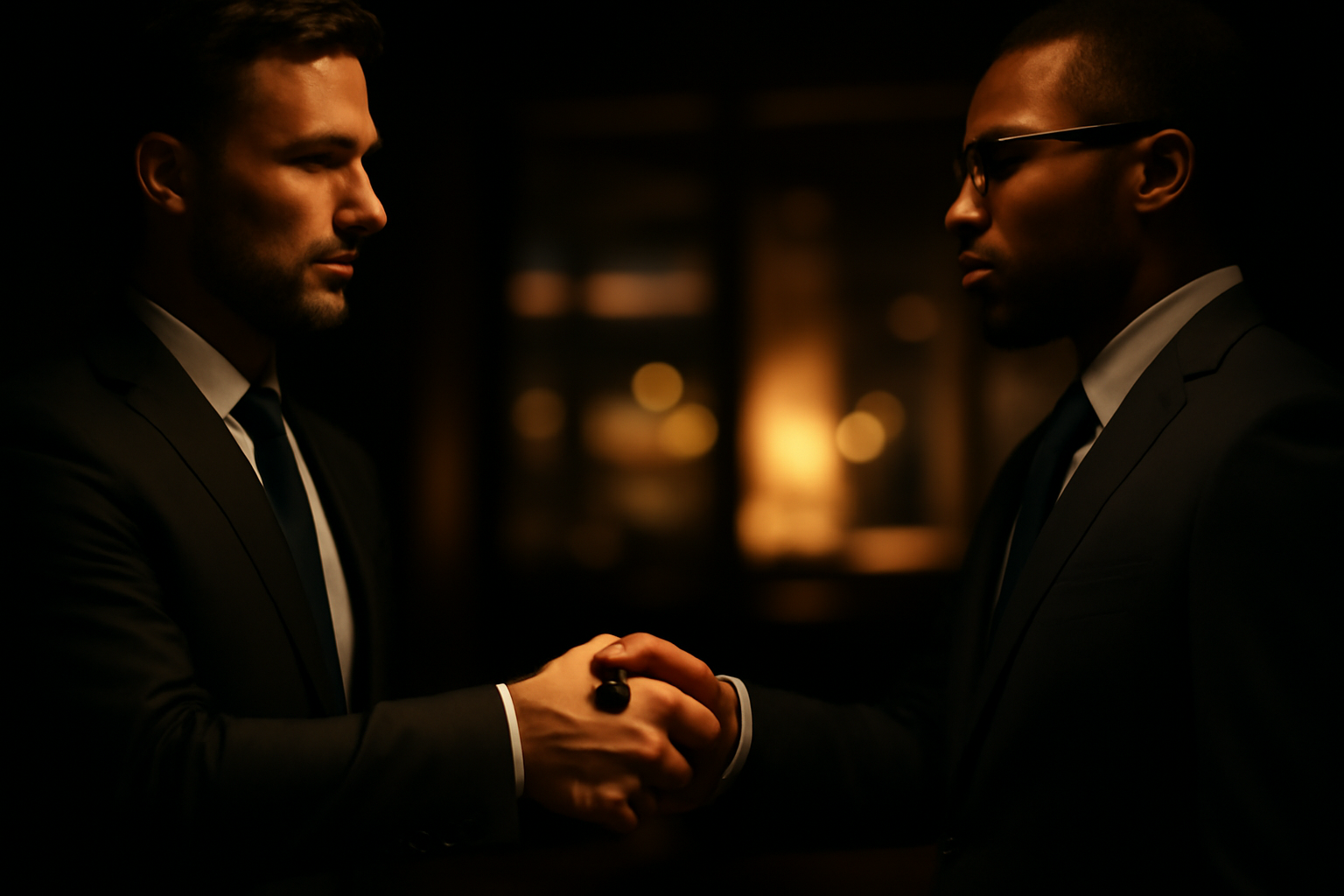
Instead, she held out her hand. She was wearing a TapRing.
She said, "Just tap your phone here."
The woman looked at her ring, looked at her phone, tapped. Her browser opened. The profile loaded. Name, title, website, a short description of what the business actually does, and a direct booking link.
The woman scrolled for a second and said, "Okay, that's legitimately cool."
What the Ring Did That the Cards Couldn't
It made the information land somewhere real.
Not in a pocket. Not in a pile. On her phone, in her browser history, saved as a contact thirty seconds later when she hit the save button on the profile page.
They talked for another ten minutes. The woman took a photo of the banner so she could describe the booth to her colleague. She said she'd probably reach out in the spring about a project.
She did. Four months later. Referenced the tap.
The Booth Still Wasn't the Busiest One
It's worth being honest about that. She didn't go viral. She didn't sell out her services in an afternoon. Three other people stopped before the event ended, and one of them was just curious about the ring itself.
But the people who stopped had her information. Actually had it.
Not a card they'd find in a jacket pocket three weeks later wondering who it belonged to. A profile they'd already looked at on the drive home.
That's the gap nobody talks about with vendor fairs and pop-ups and little local markets. The goal isn't volume. It's retention. The person who stops and actually connects is worth more than twenty people who pick up a card and put it back down.
She still brings the tablecloth. She fixed the corner.
She doesn't bring cards anymore.