
You Did Not Plan for This Person
You met them once. Maybe twice. A conference two years ago, or a happy hour after some industry thing you almost skipped. You talked for fifteen minutes. You thought it went well. Then life moved on and you forgot about them entirely.
Then someone called them about you.
That is the part nobody talks about. References are not always people you carefully selected and prepped. Sometimes they are people who remembered you clearly enough to say something good, even when you had no idea they were doing it.
The question is whether you made it easy for them to remember you correctly.
What a Reference Actually Needs
When someone gets called as a reference, they need two things. They need to remember who you are. And they need to be able to describe what you do.
If you gave them a paper card two years ago, that card is gone. If you rattled off your email verbally, they probably saved you under the wrong name. If you never exchanged anything at all, you are just a face attached to a blurry impression.
None of that survives a reference call.
The people who get described accurately are the ones who made themselves easy to keep. Not by following up constantly. Not by maintaining some elaborate relationship. Just by making sure the other person had something real to hold onto after the conversation ended.
The Gap Between Meeting and Being Called
Most professional relationships have a long lag. You meet someone. Years pass. Then suddenly your name comes up in a room you were not in, and someone has to vouch for you or stay quiet.
You cannot control when that moment happens. You can only control what they have to work with when it does.
If the last thing they have is a LinkedIn connection request they accepted without much thought, that is not enough. If they have a clear memory of what you do, a way to reach you, and a positive impression of how you showed up, that is something they can actually use.
The Thing That Survives the Gap
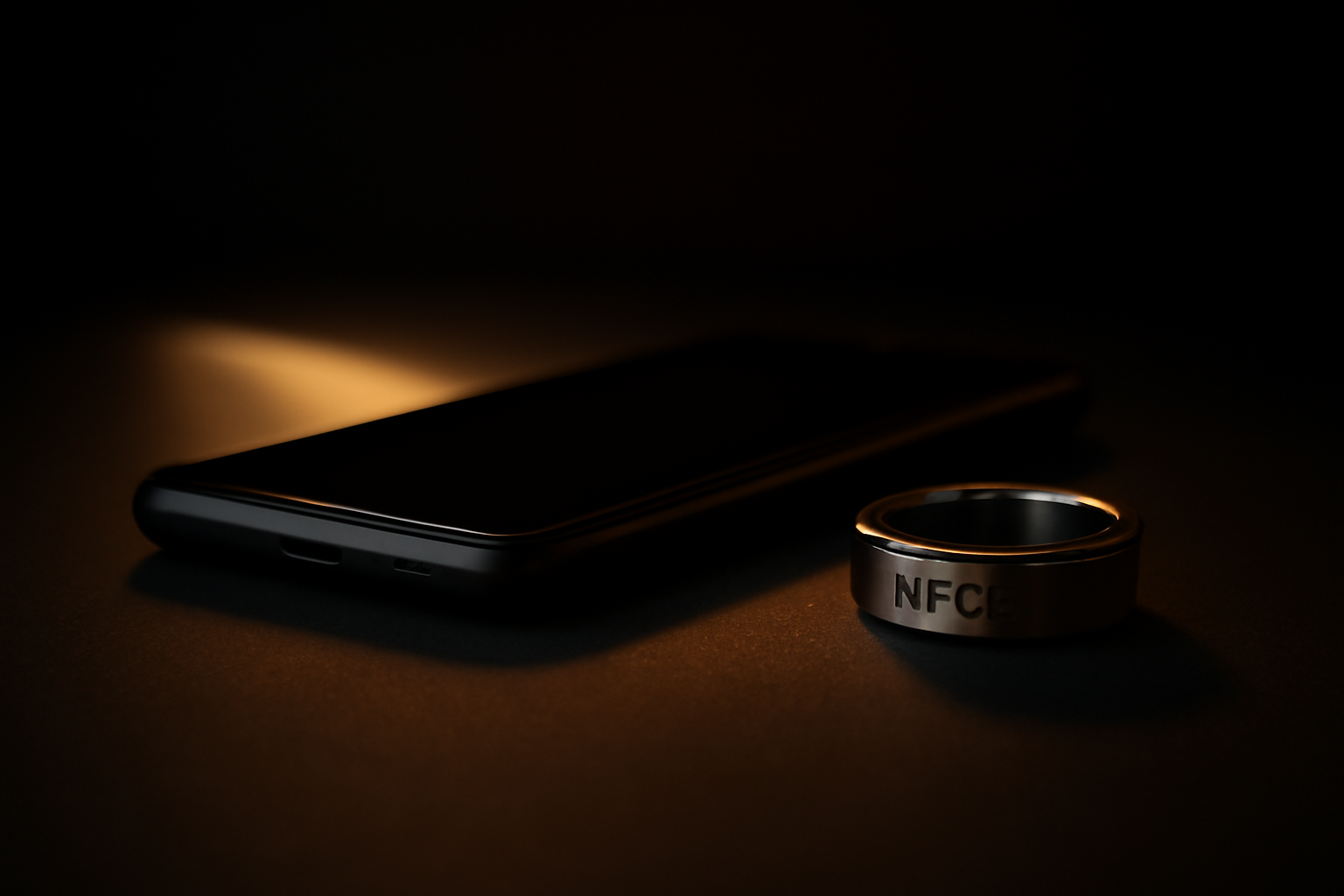
When you tap someone with your TapRing, they get a page with your name, your role, your contact info, and whatever else you have added. That page lives on their phone. Not in a drawer. Not in a stack. On their phone, saved to their contacts or bookmarked, depending on what they did with it.
Two years later, when your name comes up, they can pull that up. They remember the ring. They remember the conversation. They have something to show for it.
That is not a small thing.
The Acquaintance Problem Is a Storage Problem
The reason acquaintances fail as references is not because they did not like you. It is because they cannot find you or describe you accurately when the moment arrives. The memory is there but the details are gone.
Paper cards solve nothing at this timescale. Most people cannot tell you where a card from two years ago went. Digital contact info that was shared by text or typing tends to get filed under some vague name and never touched again.
What survives is what was easy to save and easy to find.
One Tap Is a Long Investment
You probably do not think of a fifteen-minute conversation as an investment. But those conversations compound over time in ways you cannot track.
The acquaintance who becomes a reference. The contact who forwards your name to someone hiring. The person who mentions you in a meeting you were never invited to.
All of them are working from the impression you left and the information you gave them.
Make the information good. Make it easy to find. That is the whole strategy.
TapRing rings start at $45. The Pro plan runs $5.99 a month or $2.99 a month on the yearly plan. One tap and they have everything they need to say something useful about you when it counts.