
How Fast the Judgment Happens
Psychologists have studied first impressions for decades. The consistent finding: people form initial judgments about competence, trustworthiness, and likability within the first seven seconds of meeting someone. Some research suggests it's even faster, as little as one-tenth of a second for basic emotional tone.
These judgments are heavily influenced by peripheral signals. How someone is dressed. Their posture. How they speak. The details around them. And how they handle the moment of exchanging contact information.
The Business Card as a Signal
The business card exchange is a ritual. In professional contexts, it's one of the first deliberate signals you send after the initial impression forms. It says something about how you think about your work, your attention to detail, and whether you've invested in your own professional presence.
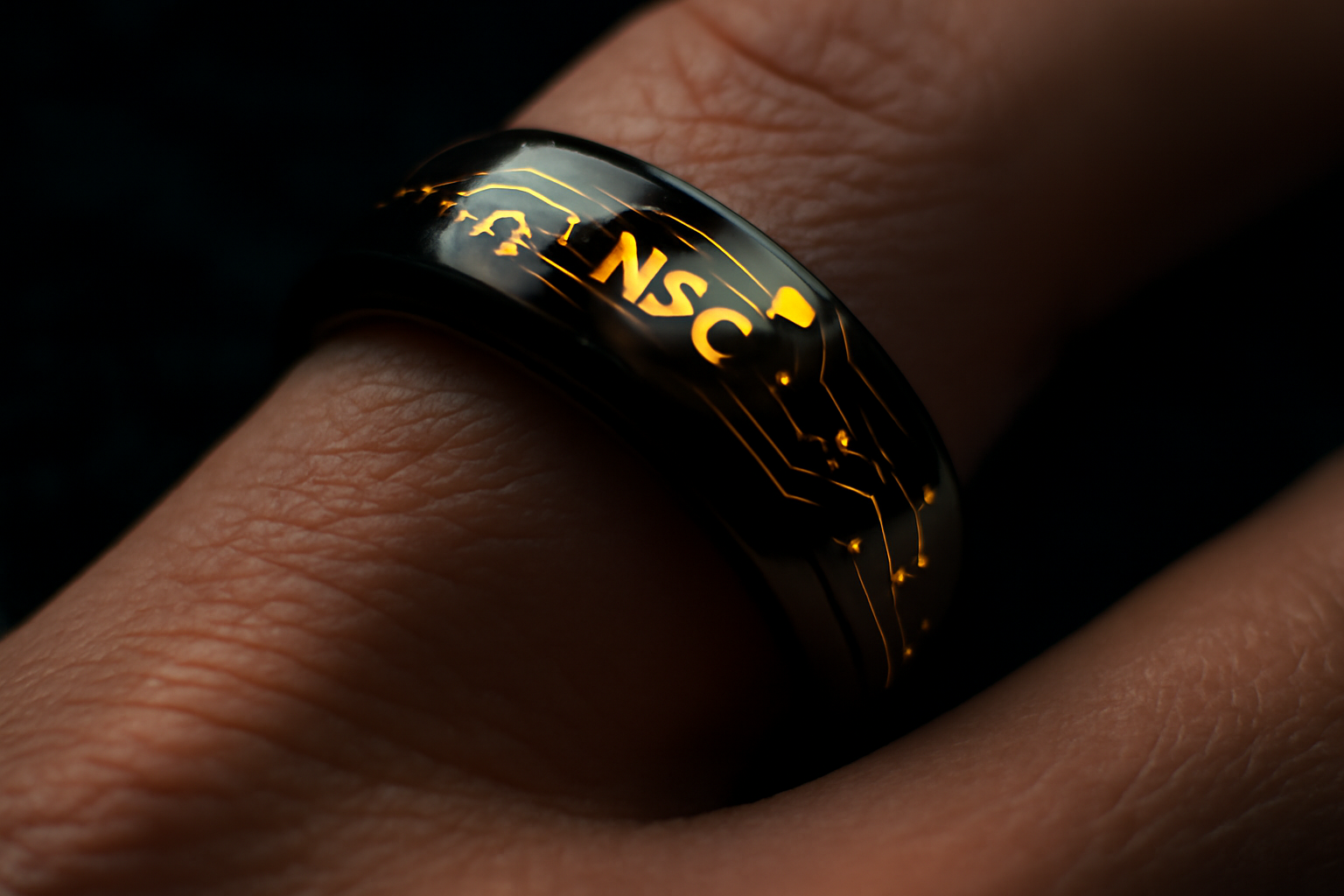
A wrinkled paper card pulled from a wallet communicates something. So does tapping a ring and watching your profile appear on someone's phone in two seconds.
Neither is inherently better as a person. But they're different signals, and people read them.
The Novelty Factor
Research on memory and attention shows that novel stimuli get more attention and are remembered better than familiar ones. This is called the Von Restorff effect, sometimes called the isolation effect.
In a room full of paper cards, a ring tap is different. Different gets remembered. It becomes part of the story someone tells about meeting you. "I met this person who had this ring that sent me their contact info when she tapped it against my phone."
You become associated with that novelty. That's not a trivial thing.
What Happens After the Exchange
First impressions decay quickly if there's no follow-up. The business card, digital or paper, is a bridge to the next interaction. Its job is to make sure that next interaction happens.
A digital card that's easy to save, that shows up clean on a phone screen, that has the right links for actually reaching you, makes the follow-up easier. The less friction between the first meeting and the second one, the more likely the second one happens.
The Practical Point
You can't fully control first impressions. But you can control the tools you use and the signals they send. A card that works well, loads fast, and feels intentional is a small thing that compounds over a career of handshakes.