
The Problem With Trade Shows
You're at a booth. Or walking the floor. Or both, depending on the day.
Every few minutes, someone hands you a card. You hand one back. By hour three, everyone's pockets are full and nobody's paying attention anymore.
Trade shows are built for volume. The problem is volume doesn't produce relationships. It produces a pile of business cards nobody sorts.
TapRing changes how you work the room.
Set Up Before You Walk In
Before you get to the venue, open your TapRing profile and check it.
Make sure the link, email, and phone number are current. If you're representing a specific product or service at this show, update your profile headline to reflect that. "Booth 412 - Commercial Flooring" is more useful than a generic title right now.
If you have a portfolio link, a product page, or a booking form, add it. This is the day people will actually want to see it.
How to Tap Without Making It Weird
The tap works best when it comes naturally. You don't need to announce it.
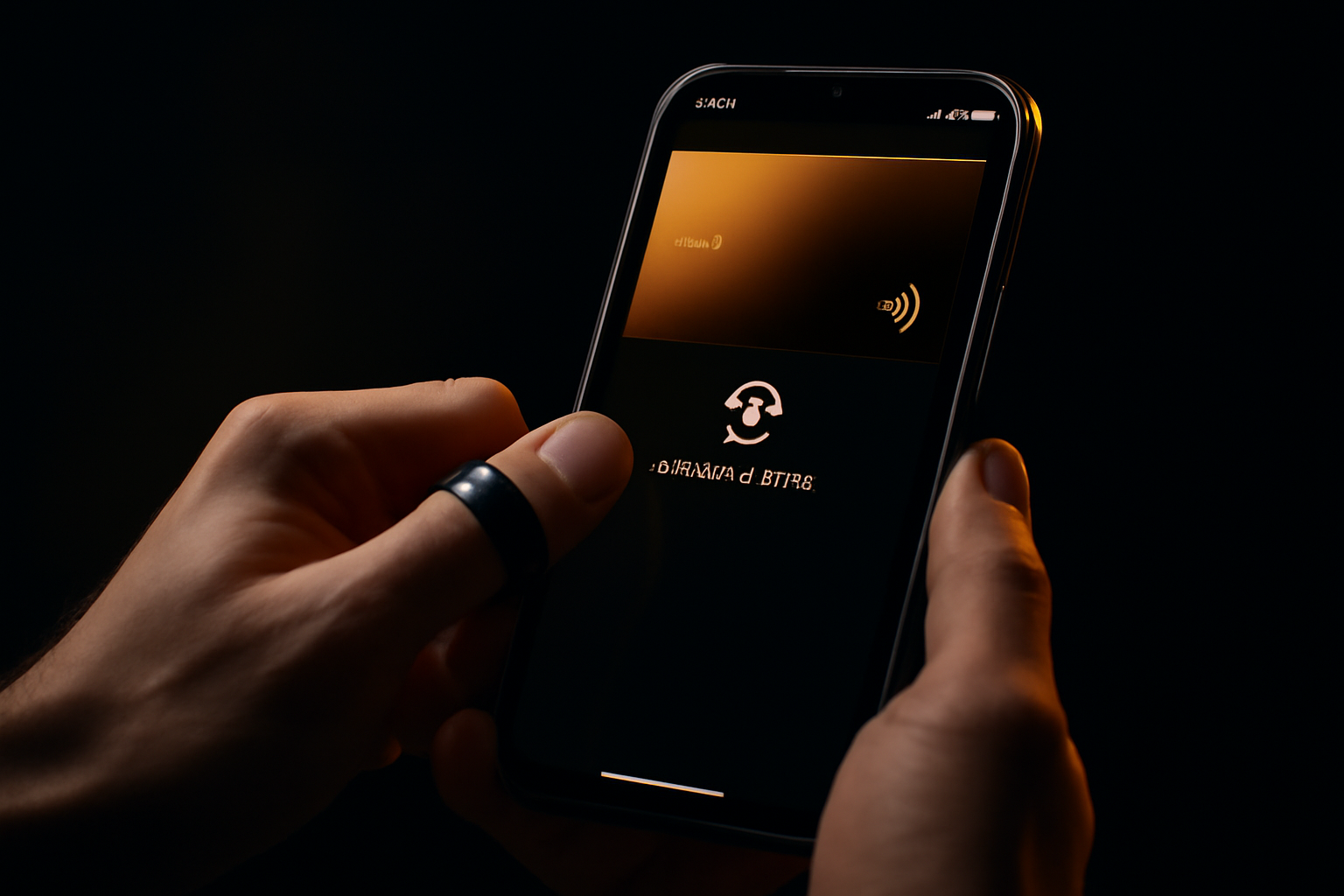
When someone asks for your card, say "I'll just send it to your phone" and tap the back of their device. It takes two seconds. Their browser opens. They see your profile.
Most people look up immediately. That's the reaction you want.
You can also tap first and explain after. Some people like the demo before the explanation.
Working a Booth Specifically
If you're staffing a booth, the ring does a specific job.
Every person who stops should leave with your contact info. Not a brochure. Not a card. Your actual info, saved or bookmarked on their phone.
Encourage them to tap before they walk away. If they're mid-conversation and interested, tap then. Don't wait until the end when attention drifts.
If you're working with a team at the booth, everyone should have their own TapRing profile. Multiple touchpoints, multiple contacts made.
Walking the Floor
This is where TapRing has the biggest edge.
When you're not behind a booth, you're just another person at the show. Cards blur together. Conversations blur together.
But if you tap someone's phone during a real conversation, you stand out from the noise. They leave with your profile. They remember the tap.
Don't wait for a formal exchange. If the conversation is good, say "Let me send you my info" and do it.
After the Show
Trade shows end and people disappear fast.
Every person you tapped has your profile already. You don't need to scramble for contact details you forgot to collect. But you should follow up anyway.
Use the day-after window. Send a short email or LinkedIn message that references what you talked about. They already have your info so the follow-up feels like continuation, not cold outreach.
The Detail Most People Miss
At trade shows, people are evaluating vendors and partners quickly. First impressions are compressed.
Pulling out a TapRing instead of fumbling for cards signals something. It says you pay attention to how you operate. For some buyers and partners, that detail lands before you've said your pitch.
The ring isn't just faster. It's a signal.
One More Thing
Wear the ring the whole day. Not in your pocket. Not on a lanyard.
On your finger. Ready.
Trade shows are unpredictable. The best conversations often happen in hallways, at coffee stations, or while waiting for a panel to start. You won't always have time to dig for a card.
The ring is always there.
TapRing starts at $45. The Pro plan adds analytics so you can see how many people engaged with your profile. For a trade show, that data actually means something.